



Powder-Coated Fencing: A Complete Technical Guide
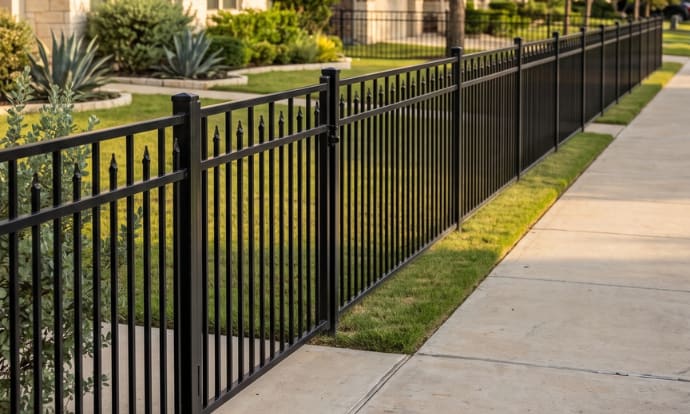
As you browse the steel and powder-coated aluminium fencing panels, gates, square tubing, and posts at First Fence USA, you will notice that many of our primary systems feature a Polyester Powder-Coated (PPC) finish over a galvanized steel base.
What exactly is powder coating, why is it superior when evaluating powder coating vs traditional liquid paint, and how does it add long-term value to your property? Below, we break down everything you need to know about this industry-leading finishing process.
What Is Powder Coating?
Powder coating is an advanced dry-finishing process used on metal components to create an exceptionally tough, protective layer. Unlike conventional liquid paint, which relies on chemical solvents that evaporate during drying, powder coating uses dry resin powder mixed with pigments and curing agents.
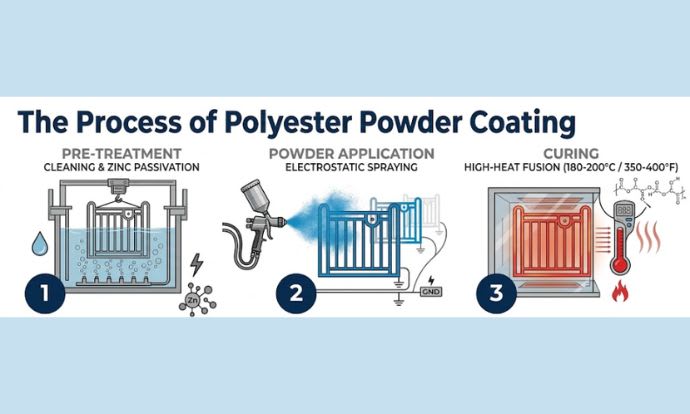
The process relies on electrostatic attraction. Here is how it works step-by-step:
- Pre-Treatment and Surface Prep: Before coating, the metal components undergo thorough mechanical or chemical pre-treatment - such as shot blasting or conversion dipping - to remove grease, dirt, and mill scale while etching an "anchor pattern" onto the metal.
- Electrostatic Application: Using a specialized spray gun, a negative electrostatic charge is imparted onto the dry powder particles. The grounded metal fence component acts as a natural magnet, drawing the powder evenly across every corner, weld line, bracket, and inner recess.
- High-Heat Oven Curing: The coated metal enters a curing oven heated between 350°F and 400°F (180°C to 200°C). The thermal energy melts the powder and triggers a cross-linking chemical reaction, fusing the particles into a solid, non-porous polymer skin.
The result is a smooth, uniform barrier bonded directly to the underlying metal, offering protection far beyond what liquid spray paints can achieve.
Why Choose Powder-Coated Metal Fencing?
Choosing powder-coated metal fencing provides distinct performance advantages for residential homeowners, trade contractors, and commercial facility managers alike:
1. Dual-Layer Corrosion and Rust Defense
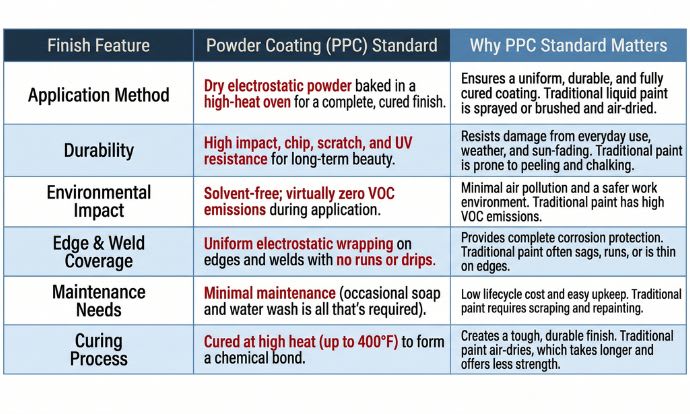
Water and atmospheric moisture are the primary causes of corrosion on outdoor steel. Traditional liquid paint can develop microscopic pinholes over time, allowing water to reach the substrate and cause rust that bubbles up from beneath.
At First Fence USA, our black powder-coated fence panels and structural components - from 16-gauge square tubing to ornamental steel posts - utilize a dual-layer protection system. An advanced electrostatic polyester shell is baked directly over a zinc-galvanized steel core, offering the best rust resistant fence coating setup to seal out humidity, rain, and soil moisture to eliminate internal and external rusting.
2. High UV and Weather Resistance
Prolonged exposure to intense sunlight causes standard paint to chalk, crack, and fade within a few seasons. We utilize Polyester Powder-Coated (PPC) finishes on our metal fencing systems because polyester resins serve as a high-grade, UV-resistant metal finish for fences. This barrier prevents sun damage, maintaining a sleek satin-black finish for years without dulling.
3. Impact, Chip, and Scratch Resistance
Fences face constant physical wear - from lawnmowers and string trimmers to debris, pets, and heavy installation handling. The cross-linked polymer matrix formed during oven curing makes polyester powder coating far more flexible and durable than traditional paint, resisting chipping, gouging, and flaking under stress.
4. Eco-Friendly and Solvent-Free
Unlike liquid spray paints that emit high levels of Volatile Organic Compounds (VOCs) and require chemical solvents for thinning and cleanup, powder coating is solvent-free. It releases virtually zero VOCs into the atmosphere and features an overspray recovery rate of up to 95%, making it an environmentally responsible choice for modern construction standards.
5. Low Maintenance and Cost-Effective
So, how long does powder-coated fencing last? With proper curing and basic care, it delivers decades of protection. Maintaining a painted wood or iron fence requires periodic scraping, priming, and repainting, whereas choosing maintenance-free metal fencing eliminates recurring labor and material costs over time.
Simple Care Tips for Your Powder-Coated Fence
While polyester powder-coated fencing is designed to endure tough outdoor environments for decades, simple routine care helps preserve its factory finish:
- Wash Periodically: Clean off dirt, mud, and road salt accumulation once or twice a year using warm water, mild dish soap, and a soft-bristle brush or microfiber cloth.
- Avoid Harsh Abrasives: Do not clean powder-coated surfaces with wire brushes, steel wool, or harsh chemical solvents (like acetone or paint thinner), as these will scratch the smooth protective layer.
- Inspect Annually: Check your fence line after storms or major landscape work for deep gouges caused by fallen tree limbs or heavy equipment. Touch up minor surface scratches promptly with a matching outdoor coat to keep moisture from reaching the metal base.
Upgrade Your Property with First Fence USA
A perimeter fence is a long-term investment in your property's safety, security, and curb appeal. By choosing high-quality, polyester powder-coated steel or aluminum fencing, you eliminate the hassle of constant repainting while ensuring lasting rust and corrosion resistance against harsh weather.
Ready to explore durable fencing solutions engineered for high performance? Explore the full lineup of powder-coated fence panels, posts, gates, and hardware at First Fence USA today!